Duskwood Night Creatures Tier List
Wendigo, Slenderman, Werewolf, and Skinwalker ranked by pressure, mobility, cabin deny, and counterplay.
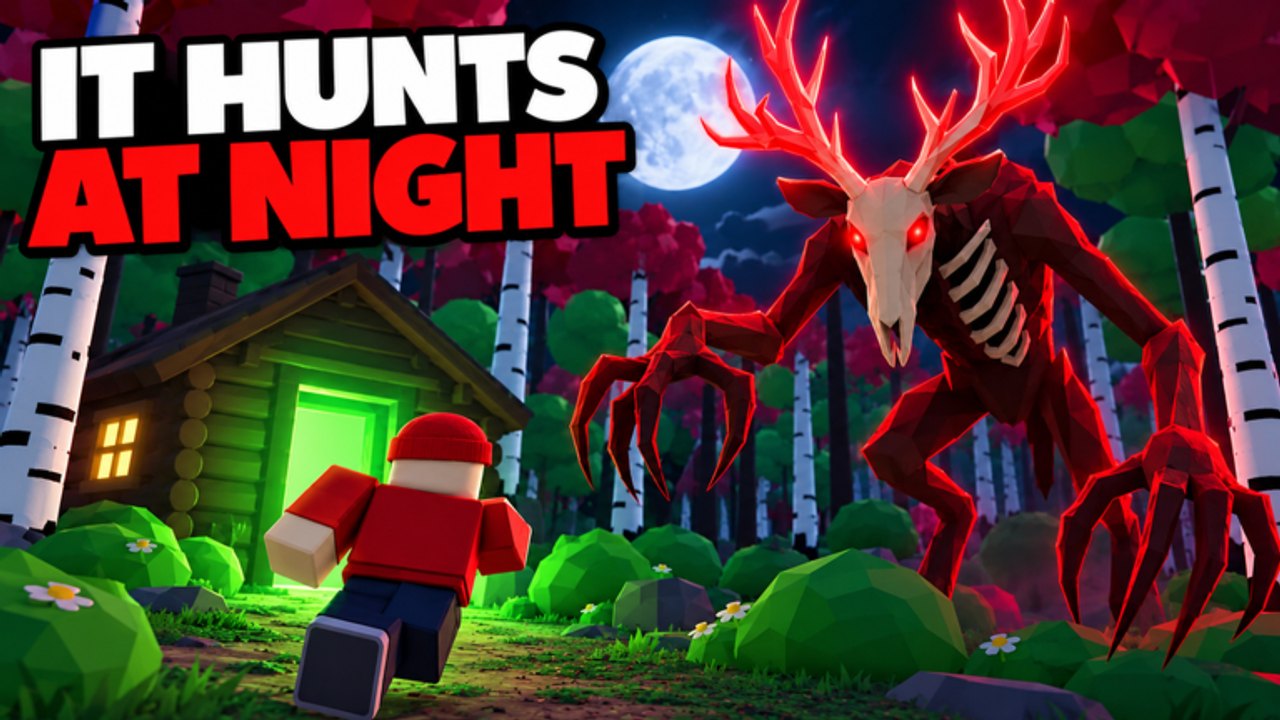
When hunter sanity collapses in Duskwood Roblox, the hidden deer player becomes one of four night creatures: Wendigo, Slenderman, Werewolf, or Skinwalker. This page ranks those forms for the current meta cycle using four criteria—pressure, mobility, cabin deny, and counterplay—then explains honest hunter answers. Placements will move when Duskwood Official patches kits, maps, or sanity rules. Treat this as a decision framework, not a forever list. Pair it with the Tier List Hub, Hunter Classes, Deer role, and Night Survival.
Ranking criteria (read before the letters)
Pressure measures how fast a creature forces hunters off objectives, breaks formations, or converts a messy dusk into a wipe. High pressure forms punish slow cabin walks and greedy looting.
Mobility covers chase speed, cutoffs, vertical or timber shortcuts, and how easily the creature resets after a missed engage. High mobility wins on large or multi-path maps among the six available layouts.
Cabin deny asks whether the creature can stall, zone, or threaten the safe structures hunters race toward once night begins. Strong cabin deny turns “we almost made it” into a loss.
Counterplay rewards forms that still have readable answers—light discipline, trail-cam memory from day, coordinated bows, or bait control—without requiring perfect play. A creature with zero answers belongs higher only until the next balance pass; we flag that risk openly.
Skinwalker’s F deer-form swap is called out wherever it changes bait value. Exact numeric cooldowns shift; the ranking cares about the job that swap enables.
S tier — highest night impact this cycle
Skinwalker — S
Why S: Skinwalker blends night aggression with day-shaped deception. The ability to press F and return toward a deer silhouette lets skilled players break line of sight, reset hunter aim, and re-enter timber looking “safe” for a heartbeat. That loop raises pressure and cabin deny because hunters cannot trust every deer-shaped read after dusk the way they could before night. On maps with dense trees and multiple approaches, the swap also boosts mobility by enabling fake retreats into herd-looking angles.
Cabin deny: Excellent when hunters tunnel on the last known creature silhouette; a well-timed deer form can slip a cut or force a wasted volley that burns focus before the cabin door.
Counterplay: Call the swap. Squads that keep wide cones of fire, avoid stacking, and remember day trail-cam locations punish overconfident F loops. Shooting-range practice helps hunters track silhouette changes without panic dumping arrows into innocents earlier in the round—because sanity still matters for who even reaches a fair night fight.
When it drops: If a patch softens deer-form duration, visibility, or damage windows, Skinwalker can slide to high A without losing identity.
A tier — strong, map- or squad-dependent
Wendigo — A
Why A: Wendigo is the classic forest nightmare: relentless pressure in timber, strong chase tools, and cabin approaches that feel unfair when hunters arrive low on coordination. It shines when the day phase already shredded sanity with false shots and whistle bait, so night opens with scattered hunters.
Mobility: High enough to punish stragglers between cabins and herd clearings. Less about shapeshift mind games, more about closing distance before light setups stabilize.
Cabin deny: Strong if Wendigo arrives before hunters plant themselves. Weaker if a disciplined squad holds overlapping sightlines and support light.
Counterplay: Stay together, avoid solo timber shortcuts, and use pre-placed cams from day to predict spawn-side pressure. Wendigo rewards greedy splits more than Skinwalker’s identity tricks.
Slenderman — A
Why A: Slenderman’s horror fantasy maps onto pressure through information failure—hunters who lose visual confidence, over-rotate, or abandon cabins early. On maps with long sightlines broken by fog-like timber or awkward camera angles, Slenderman climbs. On open practice-friendly layouts where bows can hold lanes, it sits mid A.
Mobility: Situational. It can feel omnipresent when hunters panic-check every gap, which is a soft mobility win even without raw speed dominance.
Cabin deny: Good when fear breaks the hold. Poor when hunters refuse to peek alone and keep a designated watcher.
Counterplay: Assign roles. One player watches approaches while others manage light and doors. Do not feed chase instincts into empty woods. Review Controls so panic inputs do not waste your only clean shots.
B tier — playable, clearer answers
Werewolf — B (flexible high B on open chases)
Why B (for now): Werewolf delivers readable chase fantasy—strong when hunters are already fleeing in a line, weaker when they form a braced arc near cabin light. Its pressure is honest: you see the threat coming more often than with Skinwalker mind games or Slenderman ambiguity.
Mobility: Solid in open lanes among the six maps; less oppressive in ultra-dense timber where cutoffs matter more than straight pursuit.
Cabin deny: Average unless hunters leave the door in a panic sprint. Werewolf players who learn to cut the last ten meters instead of over-chasing mid-map climb toward A.
Counterplay: Brace, do not kite endlessly into dark. Use the shooting range muscle memory for snap shots under stress. Support-oriented class slots that keep light up make Werewolf nights far more winnable—see Classes.
How day play feeds these ranks
Creature tier only matters if night arrives on your terms. Deer players who whistle, eat, play dead, and force innocent shots raise the odds that hunters enter night already broken. That softens every creature’s counterplay column. Conversely, hunters who pass the Getting Started checklist—cams, patience, no tilt shots—compress the gap between S and B. Read the Deer Guide and Hunter Guide so you are not evaluating kits in a vacuum.
Quests and leaderboards sometimes reward creature eliminations or survival streaks. Pick the form that matches the week’s incentive if kits are otherwise close: Skinwalker for deceptive multi-kill potential, Wendigo for timber stomps, Slenderman for chaos lobbies, Werewolf for straightforward chase practice.
Patch honesty checklist
Before you argue in Discord that a rank is “wrong forever,” check:
- Did cabin health, light rules, or door interactions change?
- Did sanity drain or innocent-shot penalties change?
- Did any creature gain or lose a mobility or stealth tool (including Skinwalker F)?
- Did a new map among the six favor long chases or tight ambushes?
If yes, re-run a few lobbies before screenshotting this page as gospel. Cross-check Updates and keep Official Links bookmarked for developer posts.
Quick pick guide
| Goal | Lean toward | |-------------------| | Maximum mind games | Skinwalker | | Timber stomp after messy day | Wendigo | | Chaos / info denial lobbies | Slenderman | | Learn clean chase fundamentals | Werewolf |
Return to the Tier List Hub for class-slot thinking on the hunter side, or jump to Players for role overviews.
Frequently Asked Questions
Quick answers to the most common questions.
What does Skinwalker F do in Duskwood?
Skinwalker can use F to shift toward a deer form, enabling resets, bait, and silhouette confusion. Exact timing and limits can change with patches—play a few night rounds after updates.
Why is Werewolf lower than Skinwalker right now?
Werewolf’s chase is strong but more readable. Skinwalker’s deer-form loop adds pressure and cabin deny that coordinated hunters still struggle to call consistently.
Do maps change creature tiers?
Yes. Dense timber boosts ambush and deny tools; open layouts favor braced hunter arcs and can lift readable chasers like Werewolf. Duskwood has six maps plus a shooting range for practice.
Where should hunters learn night answers?
Use Night Survival, Hunter Guide, and the Classes page for light and role jobs.